
Bio-stimulation with growth factors from your own blood to reduce hair loss and improve hair density.
You may have noticed that your hair is losing density, your parting looks wider or more hair is being left in your brush. These changes often develop gradually — and it is natural to want to take action while also needing to understand whether a treatment is genuinely suitable for your particular case.
PRP hair treatment uses growth factors from your own blood to stimulate weakened follicles, reduce hair loss and improve hair quality. It is not a cosmetic product: it is a medical treatment, and its effectiveness depends on selecting the right patients — understanding what is causing the hair loss, how advanced it is and whether the follicles can still respond.
During your medical consultation, we assess the condition of your scalp and the cause of your hair loss to determine whether PRP is appropriate for you or whether another approach is more likely to provide better results.
We provide guidance based on medical expertise.

PRP (platelet-rich plasma) is a hair bio-stimulation treatment that harnesses the regenerative potential of your own blood.
The procedure begins with a small blood draw, similar to a routine blood test. The sample is then centrifuged to separate the plasma with a high concentration of platelets — the cells containing growth factors involved in tissue repair. The resulting plasma is injected into the areas of the scalp that require stimulation.
What do these growth factors achieve? They act directly within the follicular environment to support blood supply, nourish the hair root and prolong the active growth phase of the hair cycle. The aim is thicker, stronger hair with a reduced tendency to shed.
It is important to understand what PRP is not: it is not a hair transplant, it cannot create new hair in areas where follicles are no longer present, and it does not replace medical treatment for an underlying cause, such as hormonal, nutritional or autoimmune factors. It is a supportive, stimulating treatment — and can be highly effective when correctly indicated.
The session. It takes approximately 30 minutes. No incisions are required, it leaves no visible marks and you can return to your normal activities on the same day. Most patients describe mild discomfort — a series of small injections — which subsides once the procedure is complete.
Afterwards. Mild redness or scalp sensitivity during the first 24–48 hours is common. Among other recommendations, you should avoid washing your hair for the first few hours and avoid intense heat, such as saunas or very hot hairdryers, for the following two days.
PRP hair treatment can help in several situations, but it is not suitable for everyone. The type of alopecia, its stage and the condition of the follicles determine whether it is an appropriate option.
PRP usually works well when:
Androgenetic alopecia is at an early or moderate stage — the hair is becoming finer, miniaturised and less dense, but the follicles are still present. This is the setting in which PRP tends to be most effective.
There is reactive hair shedding (telogen effluvium) caused by stress, hormonal changes, the postpartum period or episodes of general physical weakness. In these cases, the follicle remains healthy but has entered the resting phase prematurely, and PRP may help support reactivation of the hair cycle.
Overall hair quality has declined — the hair feels finer, drier and has less body — without marked shedding.
You want to complement a previous hair transplant by improving the quality of the existing hair and supporting the integration of the transplanted follicles.
PRP is unlikely to be the right treatment when:
Alopecia is very advanced and there are smooth areas without viable follicles. In this situation, a hair transplant is the reference treatment, while PRP may play a complementary role — but not as the main treatment.
There are medical conditions that contraindicate the procedure, including coagulation disorders, active autoimmune disease, ongoing cancer treatment, pregnancy or breastfeeding.
The expectation is to regrow hair in completely bald areas. PRP can stimulate weakened follicles; it cannot generate follicles where none remain.
During the consultation, we examine the scalp, identify the cause of the hair loss and determine whether PRP can offer a meaningful benefit in your case — or whether a different approach is required.
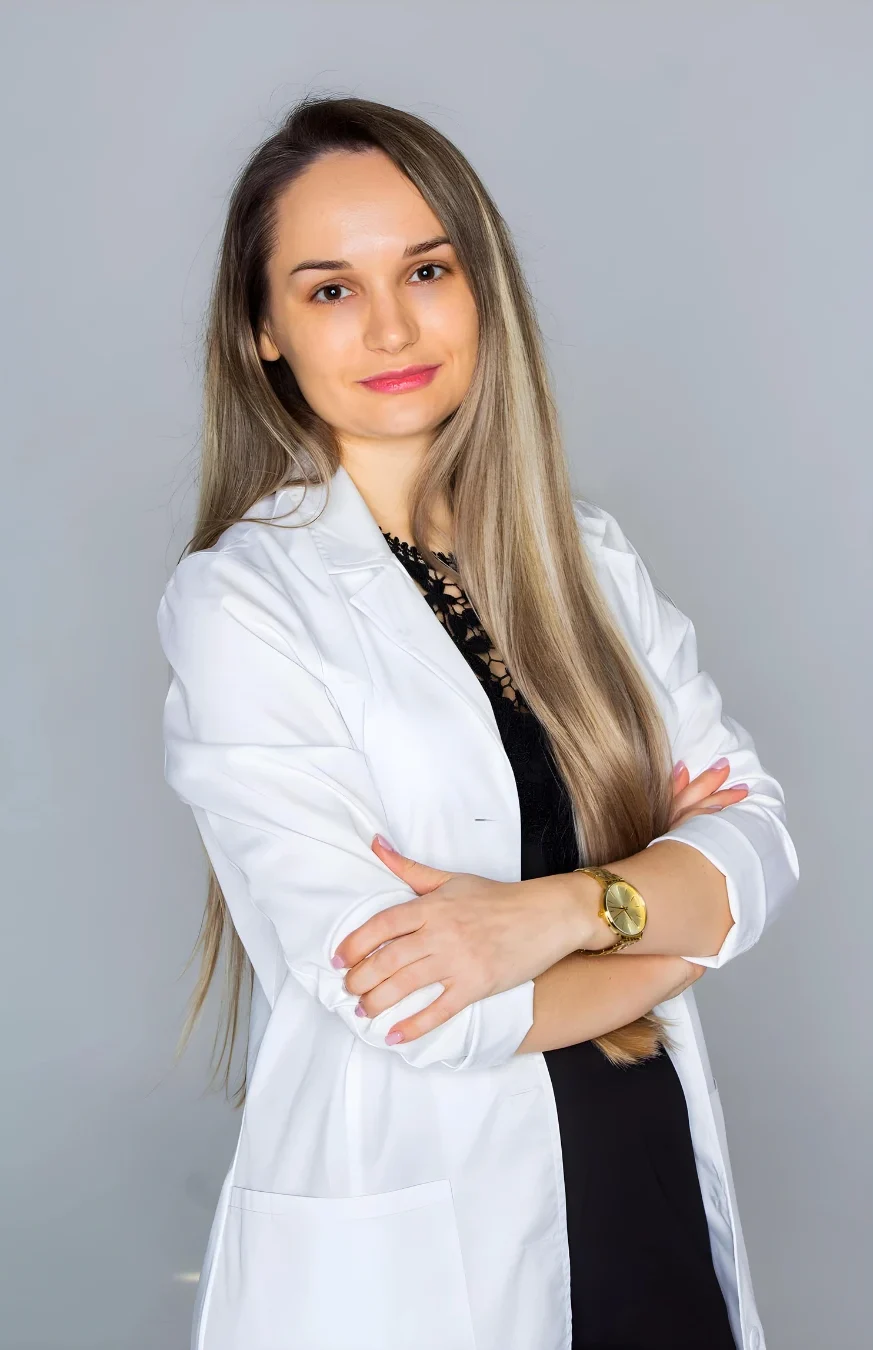
Aesthetic doctor, educator in aesthetic medicine and director of Clínica Provença.
Treatments guided by medical judgment, with personalised planning and a conservative approach.
Licensed physician No. 55671 · Barcelona Medical Association
What you can expect from PRP hair treatment depends on your starting point and the type of hair loss, but results in suitable patients generally follow a consistent progression:
During the first few weeks, many patients notice less shedding — in the shower, on the pillow or in the brush. This is often the first sign that the follicles are responding to treatment, even before a visible change can be seen.
Between the third and sixth month, the quality of the existing hair begins to improve: individual hairs may feel thicker, with more body and a better texture. In many cases, fine new hairs may appear in areas of miniaturisation and gradually increase in calibre over time.
From the sixth month up to one year, the results continue to consolidate. Hair density may become more visibly improved and the hair generally appears healthier.
This does not mean that every patient will achieve the same result. Individual responses vary, and in some cases PRP stabilises hair loss without producing a visible increase in density — which, in many progressive forms of alopecia, is already a clinically valuable outcome.
Results are maintained through an appropriate maintenance protocol. Hair does not suddenly fall out if treatment is stopped, but androgenetic alopecia is progressive: without periodic stimulation, follicular miniaturisation gradually resumes over time.

We listen to what concerns you and what you expect from treatment: when you first noticed the hair loss, how it has progressed, what you have already tried and the outcome you are hoping to achieve.
We assess the scalp and hair — the pattern of hair loss, the quality of the remaining hair, areas with viable follicles and areas where miniaturisation may be too advanced — to identify the cause and the realistic scope for improvement.
We give you a reasoned medical recommendation: whether PRP is appropriate for your case, which protocol is suitable and what you can realistically expect; or, if it is not appropriate, why and which alternative makes more clinical sense. Sometimes the best option is to combine treatments; sometimes it is to refer you for a different approach; and sometimes it is not to intervene.
You leave with a plan and a quote, and you decide afterwards, calmly.
Would you like a personalised assessment?
We guide you with medical judgment and an individualized assessment.
Complimentary first consultation.
Clinical evidence and our experience in practice support its effectiveness.
That said, it is not a universal treatment. The response depends on the type and stage of alopecia. Results are more consistent in appropriately selected patients — with viable follicles and early or moderate hair loss. In very advanced alopecia or when other underlying causes remain untreated, PRP alone will not be sufficient.
This is why the initial medical consultation is not a formality: it allows us to determine whether the treatment genuinely makes sense in your case.
It depends on what is happening in that area. If the follicles are miniaturised but still present — meaning there is fine hair, or the hair has become significantly thinner but has not disappeared completely — PRP may stimulate them to regain calibre and activity.
If the area is completely smooth and no viable follicles remain, PRP cannot generate new hair there. In that situation, a hair transplant would be the appropriate treatment, while PRP could play a complementary role in improving the scalp environment before or after the procedure.
This distinction can only be made through a direct scalp assessment. What appears to be a completely bald area may sometimes still contain miniaturised follicles that are not visible without a proper examination.
The usual protocol begins with an initial course of 3 to 4 sessions, spaced 3 to 4 weeks apart. The first sign is often reduced shedding, which many patients notice within the first few weeks. A visible improvement in hair density and quality generally begins to appear between the third and sixth month.
After the initial course, maintenance treatment is recommended — usually 1 or 2 sessions per year — to help sustain the results over time. The exact frequency is adjusted according to each patient’s response.
It is important to understand that the number of sessions is not the same for everyone. During the consultation, we recommend a protocol tailored to your type and stage of hair loss and your treatment goals.
The usual side effects are mild and temporary: scalp redness and some sensitivity in the injection areas, which generally resolve within 24 to 48 hours.
Because PRP is an autologous preparation — obtained from your own blood — the risk of an allergic reaction or rejection is low. Certain contraindications are always checked before recommending treatment, including coagulation disorders, active autoimmune disease, ongoing cancer treatment, pregnancy or breastfeeding, and the use of certain anticoagulant medicines.
All of these factors are reviewed during the consultation.
Most patients describe it as mild discomfort — small injections that feel more like pressure than pain.
They are complementary rather than mutually exclusive treatments, and they are often combined.
PRP delivers growth factors obtained from your own blood — its main role is to stimulate weakened follicles and support blood supply to the scalp. Hair mesotherapy delivers vitamins, minerals, amino acids and, in certain protocols, specific medicines directly to the follicular environment.
In androgenetic alopecia, hair mesotherapy with dutasteride is often used as a core treatment. PRP may be considered as an alternative for patients who cannot or do not wish to receive dutasteride, or combined with it to enhance the overall treatment response.
During the consultation, we assess your case and recommend the treatment — or combination of treatments — that makes the most clinical sense.
PRP helps reduce hair loss and improve hair quality while the follicles continue to receive stimulation. However, androgenetic alopecia is an ongoing process: follicles remain exposed to genetic and hormonal factors that weaken them, and without periodic treatment, miniaturisation gradually resumes.
The results of each treatment course usually last between 12 and 18 months. After this, one or two maintenance sessions per year are sufficient in most cases to preserve the improvement achieved.
It is similar to physical exercise: the benefit is maintained while the habit continues. If treatment is stopped, the progress is not lost immediately, but it gradually diminishes over time.
Clínica Provença is located in Barcelona, Spain, at Carrer de Roger de Llúria 89, 08009 Barcelona, in a central and well-connected area.
You will find us just a few minutes from the Diagonal (L3 and L5) and Girona (L4) metro stations, as well as Passeig de Gràcia train station (Rodalies) and FGC Provença.
To learn how to exercise your rights regarding your personal information, learn about our privacy practices and how we are committed to protecting and respecting your privacy, please see our Privacy Policy.
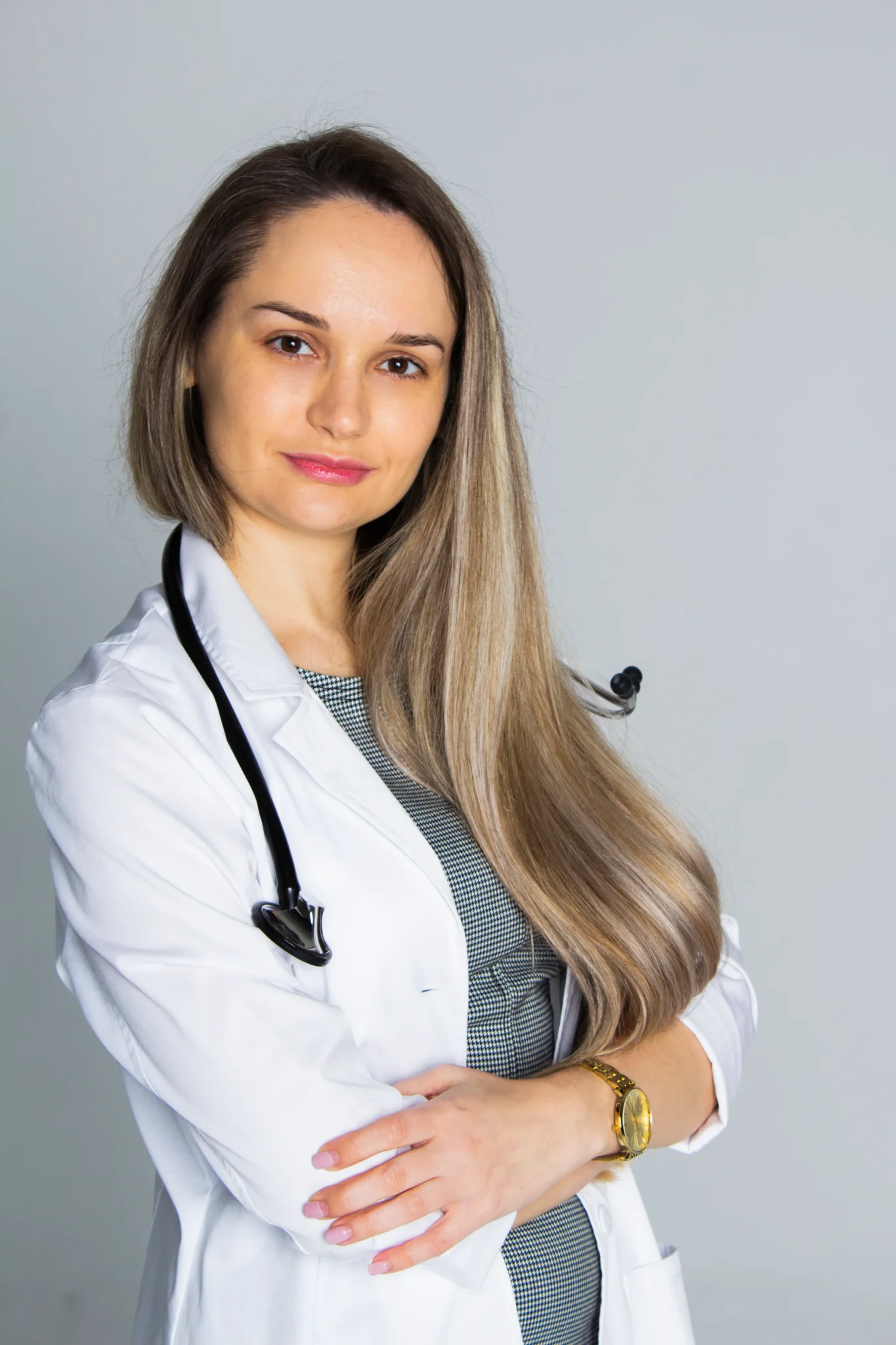
Dr. Manuela Gheorghiu is the Medical Director of Clínica Provença in Barcelona, where she defines the clinic’s clinical standards and treatment protocols, and practices as an aesthetic doctor.
Professor of the Master in Aesthetic Medicine and Comprehensive Rejuvenation of the Catholic University of Valencia and the European Medical College.
Graduated in Medicine and Surgery with highest honours from the Carol Davila University of Medicine and Pharmacy in Bucharest, with her medical degree officially recognised in Spain.
She completed her specialised training in Aesthetic Medicine in Spain, earning a Master’s Degree in Aesthetic Medicine from the University of Córdoba.
She maintains ongoing scientific training, with a strong focus on clinical safety and precision in both treatment indication and execution.
Member of the College of Physicians of Barcelona (COMB), with the number of collegiate 55671, and holder of the Diploma of Accreditation of Training in Aesthetic and Cosmetic Medicine (DIACAP), issued by the COMB.
Member of the Spanish Society of Aesthetic Medicine (SEME) with the number 2729.
Member of the Association of Aesthetic Doctors of Catalonia (SMEC) with the number 65.
Member of the Spanish Society of Fat Transplant Applications (SETGRA).
Professor of the Master in Aesthetic Medicine and Comprehensive Rejuvenation of the Catholic University of Valencia and the European Medical College.
Advanced training and ongoing participation in specialised national and international programmes in Aesthetic Medicine.
Her main areas of expertise include:

Inject Art Lab Course, Advanced Clinical Training in Regenerative Aesthetic Medicine, IT Pharma (2026).
Full-Face and Anatomy workshop, Croma Anatomy, Medical University of Vienna, Center for Anatomy and Cell Biology (2026).
Ultrasound in Aesthetic Medicine: Present and Future, Barcelona Medical Association (2026).
41st National Congress of Aesthetic Medicine and 7th SERECAP Congress (Spanish Society of Hair Restoration), 2026.
Practical fundamentals of aesthetic ultrasound, Dermica Laboratories (2026).
Dermamelan Expert Meeting: leading medical approach to depigmentation, Mesoestetic (2025)
Latest trends in Thread Tightening: Anatomy, advanced technique and results, Croma (2025).
Buttock approach: “New Round Raised Technique”, Dermica Laboratoires (2025).
Galderma Gain Spark Training: “Shaping Progress in Aesthetics’ Real-World Knowledge, Highlighting the latest trends and treatment innovation” (2025).
Well Aging training module: mastering the art of “less is more” and stimulating collagen production for better skin quality, Galderma (2025).
Hands on Sculptra, collagen biostimulator, Galderma (2025).
Seminar on ‘Addressing Facial Sagging in Aesthetic Medicine,’ Barcelona Medical Association (2025).
“Natural Beauty” training: enhance natural beauty with facial harmonization techniques and dynamic wrinkle treatment, Galderma Academy (2025).
Professional seminar ‘Medical-aesthetic treatment with hyaluronic acid in the mid-face and under-eye area’, Barcelona Medical Association (2025).
24th World Congress of Aesthetic Medicine (2025).
40th Congress of the Spanish Society of Aesthetic Medicine (2025).
Nuceiva neuromodulator training, anatomy and clinical results, Evolus Inc. (2024).
Hands on: Launch of Galderma’s NEW neuromodulator Relfydess (2024).
Practical Theoretical Workshop – Special: Collagen Biostimulator, Galderma (2024).
Skymedic Regenerative Day: Exosomes, advanced photobiodynamic therapy and carboxytherapy (2024).
Teoxane’s course in Aesthetic Medicine, advanced level: facial anatomy, middle third and redensification, upper third, rheology, eyebrows, lips and gummy smile and lower third (2024).
Training course on ‘Neuromodulators in aesthetic medicine’, Barcelona Medical Association (2024).
Lifting and Redensification facial treatment training, Galderma (2024).
“Galderma on stage” workshop: anatomy, Skinboosters treatments, collagen biostimulators, dynamic wrinkles, middle third and under-eye circles, lips, rhinomodeling, chin and complications (2024).
Formation of Sculptra corporal, Galderma (2024).
Course “Brighten your patients’ skin”, Galderma (2024).
Session “Discover the best profile of your patients”, Galderma (2024).
Galderma clinical session: Restylane Vital+Sculptra (2024).
Galderma training workshop: Harmony and balance of proportions (2024).
Teoxane Training Workshop: Facial Masculinization (2024).
IBSA training workshop: approach to transgender patients (2024).
Sinclair training workshop: Lanluma day (2024).
Sinclair Hands On: Body Lanluma (2024).
Training by the Barcelona Medical Association: Lasers and light sources in medicine (2024).
Training Spanish Society of Aesthetic Medicine: Anesthesia and Resuscitation in Aesthetic Medicine (2024).
Expert Diploma in Leadership in Aesthetic Medicine – CEU University (2023).
Webinar Skinbooster treatments and skin quality, Galderma (2023).
Allergan Hands On Training: Workshop on Facial Ultrasound as a diagnostic tool in the daily practice of Aesthetic Medicine (2023).
Allergan Training – Master Class: HarmonyCa and Juvederm (2023).
Allergan Behind Beauty 360º Training (2023).
Teoxane training: Lip training workshop (lip techniques, 2023).
Teoxane training: Clinical session (diagnosis of clinical cases, 2023).
Teoxane Academy Regional Congress – MLT 3.1 Technique (2023).
Fillmed training (Protocols: Bionutrishape, Bionutrilift, Bionutrilips, Full-face, 2023).
Fillmed training (Dermatocosmetica, 2023).
Sinclair Hands On (Ellansé and Maili).
Neauvia formation: hyaluronic acid + pen plasma (2023).
Training Galderma Botulinum toxin liquid: Alluzience (2023).
Galderma Formation: Sculptra + Lyft (2023).
Galderma training: dissection of cadavers (ACME Mallorca, 2023).
IBSA Hands On Training (Profhilo, Skinko, 2023).
IBSA Training: Approach to complicated lips (2023).
IFMIL Training- Basic Life Support Course + DEA (Consell Català de Ressuscitació, 2023).
IFMIL Training-Theoretical and practical workshop on minor outpatient surgery (cutaneous, subcutaneous, continuous and discontinuous sutures, wound management and dermatological lesions, 2023).
Training by the Barcelona Medical Association: Adverse effects with materials (2023).
Thermage Hands On Training (2023).
Candela laser training: Nordlys IPL (PR 530 and VL 550) (2023).
Lumenis laser training: IPL and ERBIO YAG (2023).
Lumenis Laser Formation: CO2 (AcuPulse, 2023).
HANDY Laser Training – Plasma Pen (2023).
Master Class: Rejuvenation of face / neck / neckline / hands – by CO2 laser (2023).
Master Class: Non-surgical eyelid retraction & Endolifting (2023).
Aesthetic Surgery Training: Endolifting (2023).
Aesthetic Surgery Training: Nanofat (2023).
Facial and Body Aesthetic Surgery Training: Lipolaser with Liposuction (2023).
Allergan Hands on training: Hyaluronic acid middle/lower/upper third (MD Codes- Mauricio di Maio, 2022).
Allergan Hands on Training: HarmonyCa (2022).
Allergan Hands on Training: Botulinum Toxin (2022).
Teoxane formation: Hyaluronic acid (middle/lower/upper third, 2022).
Teoxane training in collaboration with Cardenal Herrera University: Expert in leadership in Aesthetic Medicine – Training in marketing, sales, facial treatments (2022).
Galderma formation: hyaluronic acid (middle/lower/upper third, 2022).
Galderma training: Sculptra collagen stimulator, Skinbooster (2022).
Merz Formation: Radiesse (2022).
Chroma Formation: Hands on Juvenus Medium-Strong/Skinbooster Rich pure (2022).
Dermica Laboratoires Training: Penis thickening with hyaluronic acid (2022).
Medyglobal Tornado/ Harpoon/ Screwcog (2022).
Medyglobal Training: Body hyaluronic acid and Buttock Treatment DeneB H. (2022).
Medyglobal/Merz Training: Buttock Reshaping with Radiesse and PDO Threads (2022).
Sinclair Training: Buttock Augmentation and Reshaping with Lanluma (2022).
Regenlab (Blisscare) training: PRP/Cellular Matrix (2022).
Regenlab (Blisscare) training: PRP/Cellular Matrix (2022).
Training Spanish Society of Aesthetic Medicine: Filler implants in aesthetic medicine with classroom practice (2022).
Training Spanish Society of Aesthetic Medicine: Collagen Stimulators (2022).
Training Spanish Society of Aesthetic Medicine: Facial flaccidity (2022).
Training Spanish Society of Aesthetic Medicine: Dermatoscopy, teledermatology and topographic dermatology in Primary Care (2022).
Training Spanish Society of Aesthetic Medicine: Business Management in Aesthetic Medicine (2022).
Training Spanish Society of Aesthetic Medicine: Business Management in Aesthetic Medicine (2022).
Training Official College of Physicians of Barcelona: New developments in facial treatments—gummy smile/lower third/dark circles (2022).
Training Official College of Physicians of Barcelona: New developments in the prevention and diagnosis of chronic venous disease (2022).
Training Catalan Society of Aesthetic Doctors: Facial fillers: Lights and shadows (2022).
Fellowship at Clinica Now in Portugal with Dr. Abraham Valência (2022).
Pronokar Formation (2022).
Lipedema training (2022).
National Congress of SEME and SERECAP, Malaga (2022).
Accreditation for the use of Botulinum Toxin in Aesthetic Medicine (2021).
Allergan Botulinum Toxin Training (2021).
PRP Hy-Tissue/ QREM CYTOKINE Training (2021).
Specialization Diploma in Musculoskeletal Ultrasound – UFV Madrid (2021).
Specialization Master in Aesthetic Medicine – University of Cordoba, Spain (2020-2021).
Workshop on facial fillers with hyaluronic acid, results of radiofrequency and microneedling techniques (2020).
Refresher course on the injection of fillers in the body (2019).
Course Basic Life Support +DEA – Consell Català de Ressuscitació (2019).
Master Course Facial Rejuvenation (2018).
Bachelor of Medicine and Surgery, Carol Davila University, Bucharest (2011-2017).
Dr. Manuela Gheorghiu is the Medical Director of Clínica Provença in Barcelona, where she defines the clinic’s clinical standards and treatment protocols, and practices as an aesthetic doctor.
Professor of the Master in Aesthetic Medicine and Comprehensive Rejuvenation of the Catholic University of Valencia and the European Medical College.
Graduated in Medicine and Surgery with highest honours from the Carol Davila University of Medicine and Pharmacy in Bucharest, with her medical degree officially recognised in Spain.
She completed her specialised training in Aesthetic Medicine in Spain, earning a Master’s Degree in Aesthetic Medicine from the University of Córdoba.
She maintains ongoing scientific training, with a strong focus on clinical safety and precision in both treatment indication and execution.
Member of the College of Physicians of Barcelona (COMB), with the number of collegiate 55671, and holder of the Diploma of Accreditation of Training in Aesthetic and Cosmetic Medicine (DIACAP), issued by the COMB.
Member of the Spanish Society of Aesthetic Medicine (SEME) with the number 2729.
Member of the Association of Aesthetic Doctors of Catalonia (SMEC) with the number 65.
Member of the Spanish Society of Fat Transplant Applications (SETGRA).
Professor of the Master in Aesthetic Medicine and Comprehensive Rejuvenation of the Catholic University of Valencia and the European Medical College.
Advanced training and ongoing participation in specialised national and international programmes in Aesthetic Medicine.
Her main areas of expertise include:
Inject Art Lab Course, Advanced Clinical Training in Regenerative Aesthetic Medicine, IT Pharma (2026).
Full-Face and Anatomy workshop, Croma Anatomy, Medical University of Vienna, Center for Anatomy and Cell Biology (2026).
Ultrasound in Aesthetic Medicine: Present and Future, Barcelona Medical Association (2026).
41st National Congress of Aesthetic Medicine and 7th SERECAP Congress (Spanish Society of Hair Restoration), 2026.
Practical fundamentals of aesthetic ultrasound, Dermica Laboratories (2026).
Dermamelan Expert Meeting: leading medical approach to depigmentation, Mesoestetic (2025)
Latest trends in Thread Tightening: Anatomy, advanced technique and results, Croma (2025).
Buttock approach: “New Round Raised Technique”, Dermica Laboratoires (2025).
Galderma Gain Spark Training: “Shaping Progress in Aesthetics’ Real-World Knowledge, Highlighting the latest trends and treatment innovation” (2025).
Well Aging training module: mastering the art of “less is more” and stimulating collagen production for better skin quality, Galderma (2025).
Hands on Sculptra, collagen biostimulator, Galderma (2025).
Seminar on ‘Addressing Facial Sagging in Aesthetic Medicine,’ Barcelona Medical Association (2025).
“Natural Beauty” training: enhance natural beauty with facial harmonization techniques and dynamic wrinkle treatment, Galderma Academy (2025).
Professional seminar ‘Medical-aesthetic treatment with hyaluronic acid in the mid-face and under-eye area’, Barcelona Medical Association (2025).
24th World Congress of Aesthetic Medicine (2025).
40th Congress of the Spanish Society of Aesthetic Medicine (2025).
Nuceiva neuromodulator training, anatomy and clinical results, Evolus Inc. (2024).
Hands on: Launch of Galderma’s NEW neuromodulator Relfydess (2024).
Practical Theoretical Workshop – Special: Collagen Biostimulator, Galderma (2024).
Skymedic Regenerative Day: Exosomes, advanced photobiodynamic therapy and carboxytherapy (2024).
Teoxane’s course in Aesthetic Medicine, advanced level: facial anatomy, middle third and redensification, upper third, rheology, eyebrows, lips and gummy smile and lower third (2024).
Training course on ‘Neuromodulators in aesthetic medicine’, Barcelona Medical Association (2024).
Lifting and Redensification facial treatment training, Galderma (2024).
“Galderma on stage” workshop: anatomy, Skinboosters treatments, collagen biostimulators, dynamic wrinkles, middle third and under-eye circles, lips, rhinomodeling, chin and complications (2024).
Formation of Sculptra corporal, Galderma (2024).
Course “Brighten your patients’ skin”, Galderma (2024).
Session “Discover the best profile of your patients”, Galderma (2024).
Galderma clinical session: Restylane Vital+Sculptra (2024).
Galderma training workshop: Harmony and balance of proportions (2024).
Teoxane Training Workshop: Facial Masculinization (2024).
IBSA training workshop: approach to transgender patients (2024).
Sinclair training workshop: Lanluma day (2024).
Sinclair Hands On: Body Lanluma (2024).
Training by the Barcelona Medical Association: Lasers and light sources in medicine (2024).
Training Spanish Society of Aesthetic Medicine: Anesthesia and Resuscitation in Aesthetic Medicine (2024).
Expert Diploma in Leadership in Aesthetic Medicine – CEU University (2023).
Webinar Skinbooster treatments and skin quality, Galderma (2023).
Allergan Hands On Training: Workshop on Facial Ultrasound as a diagnostic tool in the daily practice of Aesthetic Medicine (2023).
Allergan Training – Master Class: HarmonyCa and Juvederm (2023).
Allergan Behind Beauty 360º Training (2023).
Teoxane training: Lip training workshop (lip techniques, 2023).
Teoxane training: Clinical session (diagnosis of clinical cases, 2023).
Teoxane Academy Regional Congress – MLT 3.1 Technique (2023).
Fillmed training (Protocols: Bionutrishape, Bionutrilift, Bionutrilips, Full-face, 2023).
Fillmed training (Dermatocosmetica, 2023).
Sinclair Hands On (Ellansé and Maili).
Neauvia formation: hyaluronic acid + pen plasma (2023).
Training Galderma Botulinum toxin liquid: Alluzience (2023).
Galderma Formation: Sculptra + Lyft (2023).
Galderma training: dissection of cadavers (ACME Mallorca, 2023).
IBSA Hands On Training (Profhilo, Skinko, 2023).
IBSA Training: Approach to complicated lips (2023).
IFMIL Training- Basic Life Support Course + DEA (Consell Català de Ressuscitació, 2023).
IFMIL Training-Theoretical and practical workshop on minor outpatient surgery (cutaneous, subcutaneous, continuous and discontinuous sutures, wound management and dermatological lesions, 2023).
Training by the Barcelona Medical Association: Adverse effects with materials (2023).
Thermage Hands On Training (2023).
Candela laser training: Nordlys IPL (PR 530 and VL 550) (2023).
Lumenis laser training: IPL and ERBIO YAG (2023).
Lumenis Laser Formation: CO2 (AcuPulse, 2023).
HANDY Laser Training – Plasma Pen (2023).
Master Class: Rejuvenation of face / neck / neckline / hands – by CO2 laser (2023).
Master Class: Non-surgical eyelid retraction & Endolifting (2023).
Aesthetic Surgery Training: Endolifting (2023).
Aesthetic Surgery Training: Nanofat (2023).
Facial and Body Aesthetic Surgery Training: Lipolaser with Liposuction (2023).
Allergan Hands on training: Hyaluronic acid middle/lower/upper third (MD Codes- Mauricio di Maio, 2022).
Allergan Hands on Training: HarmonyCa (2022).
Allergan Hands on Training: Botulinum Toxin (2022).
Teoxane formation: Hyaluronic acid (middle/lower/upper third, 2022).
Teoxane training in collaboration with Cardenal Herrera University: Expert in leadership in Aesthetic Medicine – Training in marketing, sales, facial treatments (2022).
Galderma formation: hyaluronic acid (middle/lower/upper third, 2022).
Galderma training: Sculptra collagen stimulator, Skinbooster (2022).
Merz Formation: Radiesse (2022).
Chroma Formation: Hands on Juvenus Medium-Strong/Skinbooster Rich pure (2022).
Dermica Laboratoires Training: Penis thickening with hyaluronic acid (2022).
Medyglobal Tornado/ Harpoon/ Screwcog (2022).
Medyglobal Training: Body hyaluronic acid and Buttock Treatment DeneB H. (2022).
Medyglobal/Merz Training: Buttock Reshaping with Radiesse and PDO Threads (2022).
Sinclair Training: Buttock Augmentation and Reshaping with Lanluma (2022).
Regenlab (Blisscare) training: PRP/Cellular Matrix (2022).
Regenlab (Blisscare) training: PRP/Cellular Matrix (2022).
Training Spanish Society of Aesthetic Medicine: Filler implants in aesthetic medicine with classroom practice (2022).
Training Spanish Society of Aesthetic Medicine: Collagen Stimulators (2022).
Training Spanish Society of Aesthetic Medicine: Facial flaccidity (2022).
Training Spanish Society of Aesthetic Medicine: Dermatoscopy, teledermatology and topographic dermatology in Primary Care (2022).
Training Spanish Society of Aesthetic Medicine: Business Management in Aesthetic Medicine (2022).
Training Spanish Society of Aesthetic Medicine: Business Management in Aesthetic Medicine (2022).
Training Official College of Physicians of Barcelona: New developments in facial treatments—gummy smile/lower third/dark circles (2022).
Training Official College of Physicians of Barcelona: New developments in the prevention and diagnosis of chronic venous disease (2022).
Training Catalan Society of Aesthetic Doctors: Facial fillers: Lights and shadows (2022).
Fellowship at Clinica Now in Portugal with Dr. Abraham Valência (2022).
Pronokar Formation (2022).
Lipedema training (2022).
National Congress of SEME and SERECAP, Malaga (2022).
Accreditation for the use of Botulinum Toxin in Aesthetic Medicine (2021).
Allergan Botulinum Toxin Training (2021).
PRP Hy-Tissue/ QREM CYTOKINE Training (2021).
Specialization Diploma in Musculoskeletal Ultrasound – UFV Madrid (2021).
Specialization Master in Aesthetic Medicine – University of Cordoba, Spain (2020-2021).
Workshop on facial fillers with hyaluronic acid, results of radiofrequency and microneedling techniques (2020).
Refresher course on the injection of fillers in the body (2019).
Course Basic Life Support +DEA – Consell Català de Ressuscitació (2019).
Master Course Facial Rejuvenation (2018).
Bachelor of Medicine and Surgery, Carol Davila University, Bucharest (2011-2017).
To learn how to exercise your rights regarding your personal information, learn about our privacy practices and how we are committed to protecting and respecting your privacy, please see our Privacy Policy.
Book a consultation