What skincare and non-surgical treatments can improve, and where their limits lie.
Your eyes can look tired even after a good night’s sleep. Skincare and certain non-surgical treatments can improve the appearance of the eye area, but what works depends on whether the concern is dryness, pigmentation, hollowness, under-eye bags or expression lines. Some of these changes can be softened; others, such as certain bags caused by protruding fat or significant excess skin, require a different approach.
The skin on the eyelids is particularly thin and moves every time you blink or smile. This makes dryness and expression lines especially noticeable. Over time, the supporting tissues also change, which can alter the transition between the lower eyelid and the cheek.
But not everything we associate with tired-looking eyes is caused by age. Individual anatomy and pigmentation also play a role: some dark circles have been present since a young age and barely change with rest.
What you see may look like a single concern, even when several different causes are involved. Distinguishing between them helps explain what each treatment can improve.
The colour of your dark circles. Discolouration may be caused by pigmentation, blood vessels showing through the skin, or a combination of both. A brown or purplish tone can offer clues, but colour alone cannot identify the cause with certainty.
Hollowness. A hollow between the lower eyelid and the cheek can cast a shadow that changes with the lighting. This darkness does not necessarily mean that the skin itself is pigmented.
Bags and puffiness. A protruding fat pad and swelling that comes and goes can look similar, but they need different assessments. Both may also occur alongside a hollow beneath the eye.
Wrinkles and folds. Fine lines beneath the eyes are not the same as crow’s feet that appear when you smile. Likewise, a fold of skin on the upper eyelid does not always mean there is excess skin: the position of the eyebrow and the eyelid itself also matters.
The right eye cream can improve hydration, soften certain fine lines and, in some cases, reduce the appearance of pigmentation. What you can expect depends on the underlying concern: dryness, wrinkles and darkening do not all respond to the same skincare.
When the skin is dry, fine lines can appear more pronounced. A moisturiser helps the skin retain water, leaving the eye area looking smoother and more supple. Some formulas containing retinoids may also improve fine wrinkles with consistent use, but tolerance is particularly important close to the eyes. The active ingredient, its concentration and the formulation must all be suitable for this delicate area.
When dark circles are caused by pigmentation, creams do not work equally well for everyone. Depigmenting treatments are more likely to help when melanin is mainly in the superficial layers of the skin. If the pigment lies deeper, improvement is often more limited and the darkness may persist. This is why identifying the origin and depth of the pigmentation matters before choosing a product.
If the darkness is accompanied by itching, flaking or irritation, the first step is to identify what is triggering the reaction. Dermatitis or a poorly tolerated cosmetic product can contribute to pigmentation, and continuing to use irritating products may make it worse. In these cases, reducing inflammation and supporting the skin barrier are part of treating the dark circles.
Some products contain ingredients such as niacinamide or vitamin C, which may have a place in the skincare routine for certain types of dark circles. However, seeing these ingredients on the label does not mean the product will lighten every type of pigmentation. Results depend on the formulation and what is causing the darkness. If a medical depigmenting treatment is needed, its selection and follow-up should take the sensitivity of this area into account.
Also, some of the darkness you notice may come from visible blood vessels or shadows cast by hollowness or under-eye bags. A depigmenting cream cannot correct those causes, even when pigmentation is also present.
Daily sun protection, using a product your skin tolerates well, helps prevent sunlight from accentuating dark spots and skin ageing. The aim of at-home care is to improve what can realistically respond, while recognising its limitations.
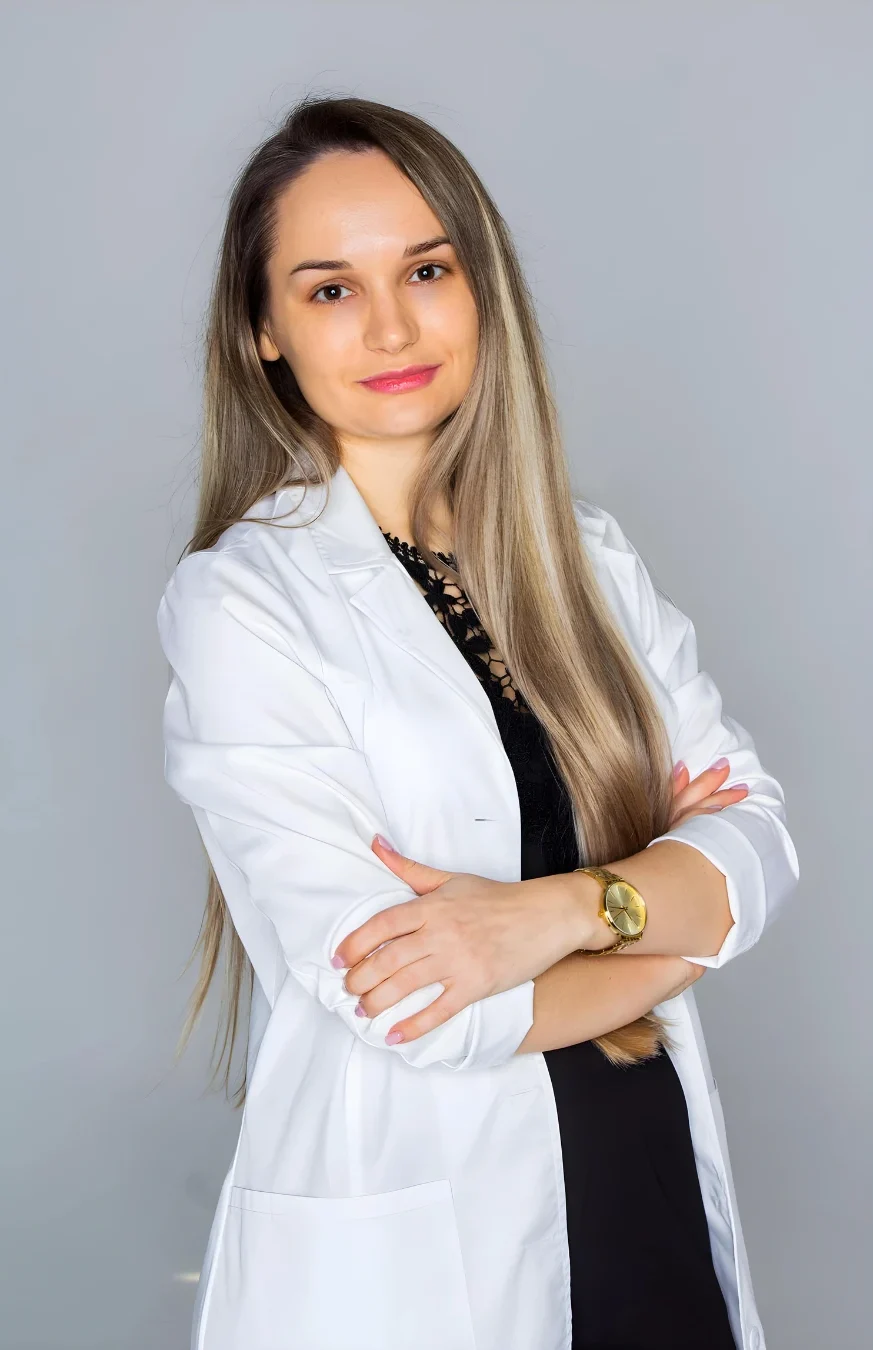
Aesthetic doctor, educator in aesthetic medicine and director of Clínica Provença.
Treatments guided by medical judgment, with personalised planning and a conservative approach.
Licensed physician No. 55671 · Barcelona Medical Association
Depending on your concerns, we may be able to soften under-eye hollows, improve skin texture, reduce certain types of pigmentation or minimise crow’s feet. Each goal calls for a different treatment, and several concerns may be present in the same eye area.
To soften under-eye hollows: hyaluronic acid filler
When there is a hollow beneath the eye, hyaluronic acid filler can add volume and create a smoother transition from the lower eyelid to the cheek. Reducing this contour difference can also soften the shadow it casts, making the area appear less sunken, although the treatment does not address skin pigmentation.
The amount of filler and the injection sites are tailored to the anatomy of the eye area. Where under-eye bags or a tendency to retain fluid are also present, it is particularly important to identify how much of the concern is caused by hollowness, as adding volume does not always improve the overall appearance.
To improve under-eye darkness, texture and fine lines: polynucleotides, injectable vitamins and PRP
If fine lines under your eyes or a loss of skin elasticity are your main concerns, polynucleotides may help improve hydration and texture. They are administered through small injections, with the aim of gradually improving skin quality so it looks smoother and more supple. In our clinical experience, we have also observed improvements in under-eye darkness, which can help the eyes look more rested. This treatment works differently from the hyaluronic acid filler used to correct hollows.
Other options include platelet-rich plasma (PRP) and injectable facial vitamins. These treatments may help soften fine lines and improve the appearance of the skin over the following weeks. They focus on skin quality rather than replacing a filler when volume is lacking.
To soften crow’s feet: neuromodulators
The wrinkles that appear at the outer corners of the eyes when you smile can be softened with neuromodulators. They temporarily reduce the contraction of the muscles responsible for these lines, so the creases become less pronounced.
Treatment is tailored to the way your face moves, with the aim of softening wrinkles while maintaining a natural expression. Fine lines directly beneath the eyes need a separate assessment because they do not all arise from the same mechanism.
For mild eyelid skin folds: plasma skin tightening
In selected cases of mild skin laxity, plasma treatment may improve the appearance of the eyelid skin. It delivers energy to superficial points of the skin to produce localised contraction and encourage tissue remodelling.
This is one of the techniques referred to as ‘non-surgical blepharoplasty’. It requires a few days of skin recovery, with small scabs and swelling. Its scope is limited to mild skin changes. When there is significant excess skin or protruding fat pads that need to be removed, a surgical assessment may offer a more comprehensive correction.
When you tell me you want to improve the area around your eyes, I first need to understand what change you would like to see. Sometimes your main concern is darkness; at other times, it is hollowness or fine lines. Even when these concerns appear together, they do not necessarily contribute equally to how you perceive your eyes.
For example, if you have both hollowness and pigmentation, softening the hollow may reduce shadows and create a more even transition to the cheek. But some of the colour may remain. Before treatment, I explain this distinction so you can decide whether the expected improvement addresses what really concerns you.
From there, I decide what to focus on. In some cases, improving cheek support makes sense; in others, the priority is to treat the skin around the eyes directly. I do not follow a fixed sequence. I prioritise what is most likely to make a meaningful difference in your case and, when several treatments are appropriate, plan them in stages.
The review appointment also helps us decide when to stop. If the first step has achieved the change you were looking for, there is no reason to add another treatment simply because a slight hollow or a few expression lines remain.
Sometimes, all the eye area needs is time and good home care. If the change comes and goes, perhaps during periods of poor sleep, allergies or long hours in front of screens, and improves when you rest, there may be no need to rush into treatment. Good hydration, suitable skincare, daily sun protection and patience can make more difference than you might expect.
A medical consultation may be useful when a change persists, you are unsure what is causing it or you want to understand how much improvement may be possible.
Rejuvenating the eye area starts with understanding which changes can be improved and to what extent. Sometimes skincare is enough; in other cases, non-surgical treatment or a surgical assessment may be appropriate.
Free initial consultation. Medical guidance, with no obligation.
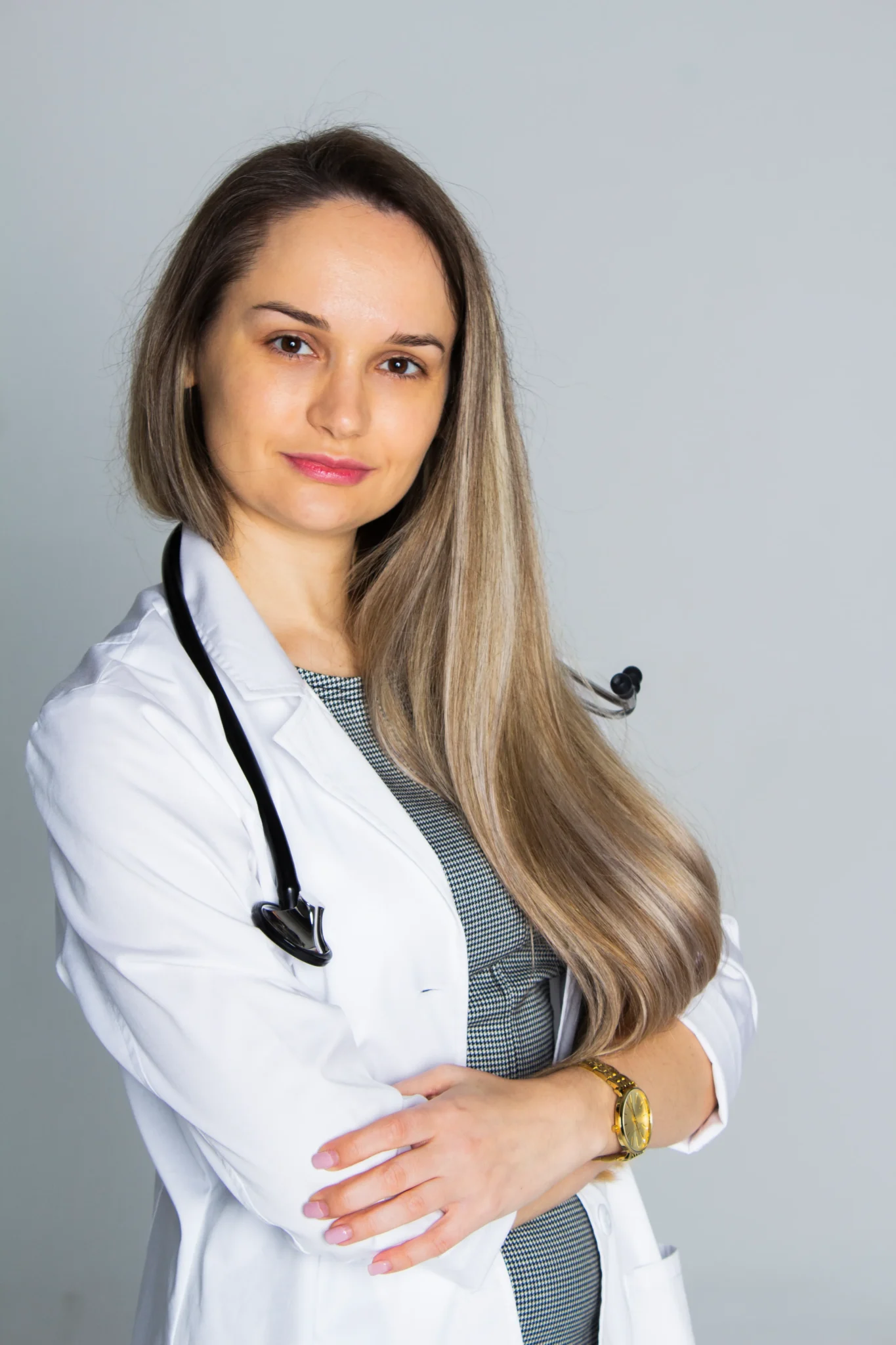
Dr. Manuela Gheorghiu is the Medical Director of Clínica Provença in Barcelona, where she defines the clinic’s clinical standards and treatment protocols, and practices as an aesthetic doctor.
Professor of the Master in Aesthetic Medicine and Comprehensive Rejuvenation of the Catholic University of Valencia and the European Medical College.
Graduated in Medicine and Surgery with highest honours from the Carol Davila University of Medicine and Pharmacy in Bucharest, with her medical degree officially recognised in Spain.
She completed her specialised training in Aesthetic Medicine in Spain, earning a Master’s Degree in Aesthetic Medicine from the University of Córdoba.
She maintains ongoing scientific training, with a strong focus on clinical safety and precision in both treatment indication and execution.
Member of the College of Physicians of Barcelona (COMB), with the number of collegiate 55671, and holder of the Diploma of Accreditation of Training in Aesthetic and Cosmetic Medicine (DIACAP), issued by the COMB.
Member of the Spanish Society of Aesthetic Medicine (SEME) with the number 2729.
Member of the Association of Aesthetic Doctors of Catalonia (SMEC) with the number 65.
Member of the Spanish Society of Fat Transplant Applications (SETGRA).
Professor of the Master in Aesthetic Medicine and Comprehensive Rejuvenation of the Catholic University of Valencia and the European Medical College.
Advanced training and ongoing participation in specialised national and international programmes in Aesthetic Medicine.
Her main areas of expertise include:

Inject Art Lab Course, Advanced Clinical Training in Regenerative Aesthetic Medicine, IT Pharma (2026).
Full-Face and Anatomy workshop, Croma Anatomy, Medical University of Vienna, Center for Anatomy and Cell Biology (2026).
Ultrasound in Aesthetic Medicine: Present and Future, Barcelona Medical Association (2026).
41st National Congress of Aesthetic Medicine and 7th SERECAP Congress (Spanish Society of Hair Restoration), 2026.
Practical fundamentals of aesthetic ultrasound, Dermica Laboratories (2026).
Dermamelan Expert Meeting: leading medical approach to depigmentation, Mesoestetic (2025)
Latest trends in Thread Tightening: Anatomy, advanced technique and results, Croma (2025).
Buttock approach: “New Round Raised Technique”, Dermica Laboratoires (2025).
Galderma Gain Spark Training: “Shaping Progress in Aesthetics’ Real-World Knowledge, Highlighting the latest trends and treatment innovation” (2025).
Well Aging training module: mastering the art of “less is more” and stimulating collagen production for better skin quality, Galderma (2025).
Hands on Sculptra, collagen biostimulator, Galderma (2025).
Seminar on ‘Addressing Facial Sagging in Aesthetic Medicine,’ Barcelona Medical Association (2025).
“Natural Beauty” training: enhance natural beauty with facial harmonization techniques and dynamic wrinkle treatment, Galderma Academy (2025).
Professional seminar ‘Medical-aesthetic treatment with hyaluronic acid in the mid-face and under-eye area’, Barcelona Medical Association (2025).
24th World Congress of Aesthetic Medicine (2025).
40th Congress of the Spanish Society of Aesthetic Medicine (2025).
Nuceiva neuromodulator training, anatomy and clinical results, Evolus Inc. (2024).
Hands on: Launch of Galderma’s NEW neuromodulator Relfydess (2024).
Practical Theoretical Workshop – Special: Collagen Biostimulator, Galderma (2024).
Skymedic Regenerative Day: Exosomes, advanced photobiodynamic therapy and carboxytherapy (2024).
Teoxane’s course in Aesthetic Medicine, advanced level: facial anatomy, middle third and redensification, upper third, rheology, eyebrows, lips and gummy smile and lower third (2024).
Training course on ‘Neuromodulators in aesthetic medicine’, Barcelona Medical Association (2024).
Lifting and Redensification facial treatment training, Galderma (2024).
“Galderma on stage” workshop: anatomy, Skinboosters treatments, collagen biostimulators, dynamic wrinkles, middle third and under-eye circles, lips, rhinomodeling, chin and complications (2024).
Formation of Sculptra corporal, Galderma (2024).
Course “Brighten your patients’ skin”, Galderma (2024).
Session “Discover the best profile of your patients”, Galderma (2024).
Galderma clinical session: Restylane Vital+Sculptra (2024).
Galderma training workshop: Harmony and balance of proportions (2024).
Teoxane Training Workshop: Facial Masculinization (2024).
IBSA training workshop: approach to transgender patients (2024).
Sinclair training workshop: Lanluma day (2024).
Sinclair Hands On: Body Lanluma (2024).
Training by the Barcelona Medical Association: Lasers and light sources in medicine (2024).
Training Spanish Society of Aesthetic Medicine: Anesthesia and Resuscitation in Aesthetic Medicine (2024).
Expert Diploma in Leadership in Aesthetic Medicine – CEU University (2023).
Webinar Skinbooster treatments and skin quality, Galderma (2023).
Allergan Hands On Training: Workshop on Facial Ultrasound as a diagnostic tool in the daily practice of Aesthetic Medicine (2023).
Allergan Training – Master Class: HarmonyCa and Juvederm (2023).
Allergan Behind Beauty 360º Training (2023).
Teoxane training: Lip training workshop (lip techniques, 2023).
Teoxane training: Clinical session (diagnosis of clinical cases, 2023).
Teoxane Academy Regional Congress – MLT 3.1 Technique (2023).
Fillmed training (Protocols: Bionutrishape, Bionutrilift, Bionutrilips, Full-face, 2023).
Fillmed training (Dermatocosmetica, 2023).
Sinclair Hands On (Ellansé and Maili).
Neauvia formation: hyaluronic acid + pen plasma (2023).
Training Galderma Botulinum toxin liquid: Alluzience (2023).
Galderma Formation: Sculptra + Lyft (2023).
Galderma training: dissection of cadavers (ACME Mallorca, 2023).
IBSA Hands On Training (Profhilo, Skinko, 2023).
IBSA Training: Approach to complicated lips (2023).
IFMIL Training- Basic Life Support Course + DEA (Consell Català de Ressuscitació, 2023).
IFMIL Training-Theoretical and practical workshop on minor outpatient surgery (cutaneous, subcutaneous, continuous and discontinuous sutures, wound management and dermatological lesions, 2023).
Training by the Barcelona Medical Association: Adverse effects with materials (2023).
Thermage Hands On Training (2023).
Candela laser training: Nordlys IPL (PR 530 and VL 550) (2023).
Lumenis laser training: IPL and ERBIO YAG (2023).
Lumenis Laser Formation: CO2 (AcuPulse, 2023).
HANDY Laser Training – Plasma Pen (2023).
Master Class: Rejuvenation of face / neck / neckline / hands – by CO2 laser (2023).
Master Class: Non-surgical eyelid retraction & Endolifting (2023).
Aesthetic Surgery Training: Endolifting (2023).
Aesthetic Surgery Training: Nanofat (2023).
Facial and Body Aesthetic Surgery Training: Lipolaser with Liposuction (2023).
Allergan Hands on training: Hyaluronic acid middle/lower/upper third (MD Codes- Mauricio di Maio, 2022).
Allergan Hands on Training: HarmonyCa (2022).
Allergan Hands on Training: Botulinum Toxin (2022).
Teoxane formation: Hyaluronic acid (middle/lower/upper third, 2022).
Teoxane training in collaboration with Cardenal Herrera University: Expert in leadership in Aesthetic Medicine – Training in marketing, sales, facial treatments (2022).
Galderma formation: hyaluronic acid (middle/lower/upper third, 2022).
Galderma training: Sculptra collagen stimulator, Skinbooster (2022).
Merz Formation: Radiesse (2022).
Chroma Formation: Hands on Juvenus Medium-Strong/Skinbooster Rich pure (2022).
Dermica Laboratoires Training: Penis thickening with hyaluronic acid (2022).
Medyglobal Tornado/ Harpoon/ Screwcog (2022).
Medyglobal Training: Body hyaluronic acid and Buttock Treatment DeneB H. (2022).
Medyglobal/Merz Training: Buttock Reshaping with Radiesse and PDO Threads (2022).
Sinclair Training: Buttock Augmentation and Reshaping with Lanluma (2022).
Regenlab (Blisscare) training: PRP/Cellular Matrix (2022).
Regenlab (Blisscare) training: PRP/Cellular Matrix (2022).
Training Spanish Society of Aesthetic Medicine: Filler implants in aesthetic medicine with classroom practice (2022).
Training Spanish Society of Aesthetic Medicine: Collagen Stimulators (2022).
Training Spanish Society of Aesthetic Medicine: Facial flaccidity (2022).
Training Spanish Society of Aesthetic Medicine: Dermatoscopy, teledermatology and topographic dermatology in Primary Care (2022).
Training Spanish Society of Aesthetic Medicine: Business Management in Aesthetic Medicine (2022).
Training Spanish Society of Aesthetic Medicine: Business Management in Aesthetic Medicine (2022).
Training Official College of Physicians of Barcelona: New developments in facial treatments—gummy smile/lower third/dark circles (2022).
Training Official College of Physicians of Barcelona: New developments in the prevention and diagnosis of chronic venous disease (2022).
Training Catalan Society of Aesthetic Doctors: Facial fillers: Lights and shadows (2022).
Fellowship at Clinica Now in Portugal with Dr. Abraham Valência (2022).
Pronokar Formation (2022).
Lipedema training (2022).
National Congress of SEME and SERECAP, Malaga (2022).
Accreditation for the use of Botulinum Toxin in Aesthetic Medicine (2021).
Allergan Botulinum Toxin Training (2021).
PRP Hy-Tissue/ QREM CYTOKINE Training (2021).
Specialization Diploma in Musculoskeletal Ultrasound – UFV Madrid (2021).
Specialization Master in Aesthetic Medicine – University of Cordoba, Spain (2020-2021).
Workshop on facial fillers with hyaluronic acid, results of radiofrequency and microneedling techniques (2020).
Refresher course on the injection of fillers in the body (2019).
Course Basic Life Support +DEA – Consell Català de Ressuscitació (2019).
Master Course Facial Rejuvenation (2018).
Bachelor of Medicine and Surgery, Carol Davila University, Bucharest (2011-2017).
To learn how to exercise your rights regarding your personal information, learn about our privacy practices and how we are committed to protecting and respecting your privacy, please see our Privacy Policy.
Book a consultation